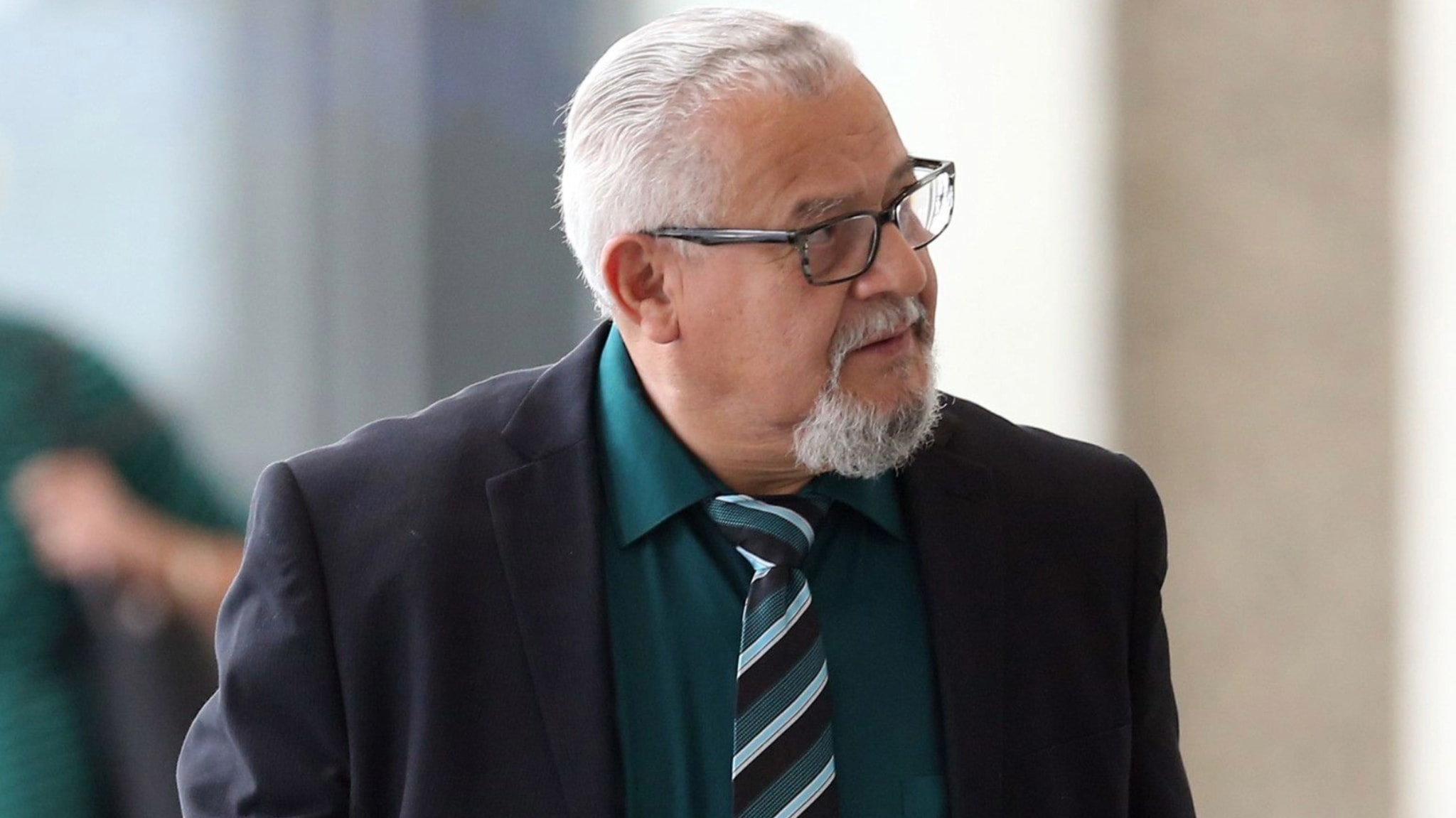
On a recent episode of iHeartRadio’s Now You Know with Knowa De Baraso, the host turned his focus to one of the most troubling patterns in the American justice system: how proven misconduct can cost taxpayers millions, while those responsible face little to no personal consequence.
In conversation with investigative journalist and podcaster Lauren Bright Pacheco, De Baraso examined how wrongful convictions are not isolated errors, but the result of systems designed to prioritize clearance rates and convictions over accountability.
One name quickly became central to that discussion: Reynaldo Guevara.
For decades, the former Chicago police detective built cases that would later fall apart.
According to The Guardian, courts have linked Guevara to at least 51 wrongful convictions, many involving allegations that suspects and witnesses were beaten, threatened, or coerced into false confessions.
An Illinois appellate court has described him as a “malignant blight” on the city’s criminal legal system. Despite that record, Guevara was never criminally charged. He retired quietly and continues to collect his pension while taxpayers absorb the fallout.
That fallout resurfaced this summer when a Cook County judge overturned the convictions of six men wrongfully imprisoned for the 1987 stabbing death of Raymond Carvis, a 47-year-old government official.
Fernando Gomez, Lowell Higgins-Bey, Michael McCastle, Harry Rodriguez, and brothers Gregorio and Robert Cardona served a combined 124 years in prison before new DNA testing excluded all of them from the murder weapon, a cake knife recovered from Carvis’s apartment.
“This is a sad case. It’s just a tragedy,” Cook County judge Carol Howard said while vacating the convictions.
According to court records, the case was mainly built on confessions the men say were extracted through abuse. “They were forced to confess with promises of not only ‘you can go home,’ but they were also beaten into their confession,” attorney Michael Oppenheimer told the court.
Attorney Lauren Kaeseberg added that her clients were eager to submit DNA. “From day one, every single one of them said: ‘Test everything, there’s nothing that scares us,’” she said. “‘We were never in that house.’”
Investigators initially focused on a suspect nicknamed “Pee Wee,” but abandoned that lead once it became clear he had an airtight alibi because he was already in police custody. According to legal filings, Guevara then identified another man with the same nickname and redirected the case toward Gomez.
On Now You Know, Pacheco highlighted the staggering financial toll tied to Guevara-linked cases. “Taxpayers have already paid out $112 million to settle the wrongful convictions he caused,” she said, noting that Guevara is now in his 80s and living freely.
De Baraso returned repeatedly to the imbalance at the heart of the issue. Cities quietly write settlement checks—and in the case of Guevara, the city of Chicago has paid out nearly $100 million so far, with legal experts estimating potential exposure reaching $2 billion—while the individuals tied to the misconduct face no meaningful consequences.
As Pacheco put it, “The system is more interested in wins than justice. There’s no real accountability for misconduct of law enforcement.”